







Search Results for: Start of Autumn marketing

Heytea's Start of Autumn marketing campaign goes big on creative stunts: a 1.5-meter honor certificate and a half-person-tall cup spark heated discussion, with store sales soaring over 600%.
Start of Autumn was originally a solar term, but today it has become a carnival moment for milk tea consumption. Major brands are pulling out all the stops to compete for the traffic around the "first cup of milk tea in autumn." This year, Heytea has made "big" its core strategy, creating a strong social topic with a giant Heytea cup half a person's height and a 1.5-meter-tall "Heytea Person Honor Certificate." The event rules are simple: the customer who places the 8,001st in-store order receives the giant certificate. Some people drove seven kilometers under the scorching sun just for this sense of ceremony, while other socially anxious customers were caught off guard by the sudden award ceremony. The brand also considered the details, making the certificate foldable and easy to carry. Data shows that on the day of Start of Autumn, sales at many Heytea stores increased by more than 600% compared with the previous day, and first-day sales of the new product "Extra Chunky Yellow Peach Mango" exceeded 400,000 cups, setting a brand record. This article was compiled by Coffee Workshop and takes you through the behind-the-scenes story of this unconventional marketing campaign. [more…]

Autumn Begins Order Surge Sparks In-Store Conflict: Luckin Employees' Verbal Dispute Escalates into Physical Altercation
As the Start of Autumn solar term arrives, the milk tea industry welcomes its annual sales peak, and coffee brands are also swept into this consumer frenzy. Luckin Coffee, due to the addition of its light milk tea product line, has seen order volumes rise significantly compared to the same period in previous years, with some stores forced to adopt flow-limiting measures such as suspending water and ice due to staff shortages. However, under intense work pressure, a Luckin Coffee store in Zhaoqing, Guangdong, experienced a physical altercation between employees. According to the New Express, two employees are suspected to have escalated a verbal dispute into a physical fight, but other colleagues intervened in time, and the incident resulted in no injuries. At present, the store manager has confirmed the matter and reported it to the public relations department. This "first internal strife of autumn" reflects the enormous pressure faced by food and beverage workers during the peak season. [more…]

Brazil experiences unusually high temperatures in autumn, disrupting the growth rhythm of coffee-producing regions
Global extreme weather continues to intensify, and Brazil has seen a rare phenomenon of inverted seasonal temperatures. May should mark the start of autumn, yet São Paulo recorded its hottest day for the same period in 81 years, with temperatures soaring to 32.8°C and generally remaining above 30°C. Persistent high temperatures and scarce rainfall are disrupting the normal growth cycle of coffee trees, with drought conditions particularly severe in central producing regions such as Minas Gerais. At the same time, Brazil and Vietnam's production and export data are trending upward, putting pressure on both international futures and domestic spot prices, but the future weather trajectory remains highly uncertain. [more…]
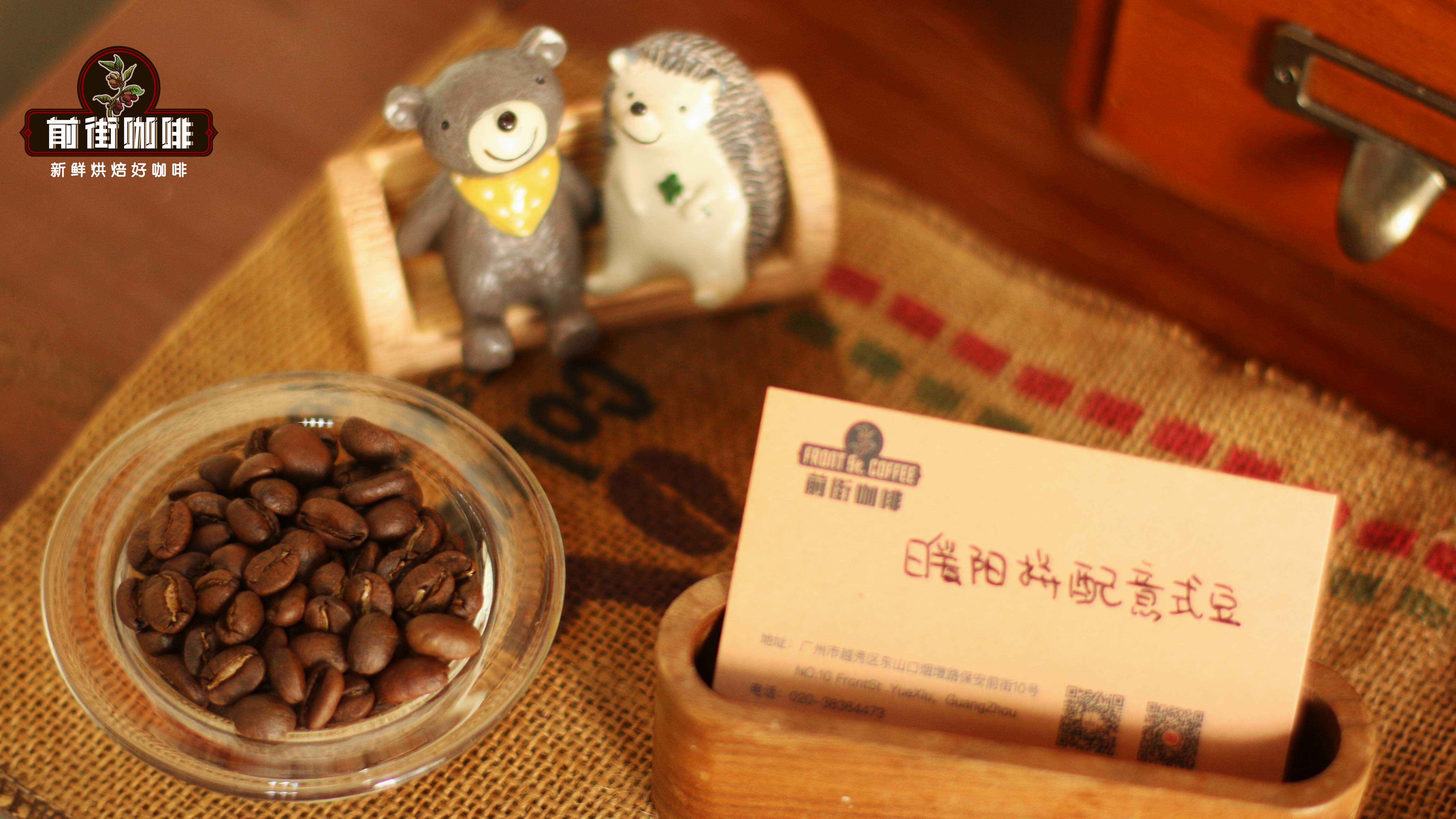
Pour-Over Blends Are a Thing Too: Front Street Coffee Autumn Blend Recipe, Roasting Parameters, and Flavor Profile Analysis
When it comes to blended beans, most people only think of espresso, but hand-brewed coffee can use them just as well. This article fully reconstructs the entire process behind Front Street Coffee's development of the "Autumn Hand-Brew Blend": why Yunnan 2013 Typica was chosen as the lead bean, how Yirgacheffe Kochere and Gesha Village sun-dried Geisha filled in the supporting roles, how raw blending and roasted blending were weighed against each other, what cup-testing iterations the 6:3:1 ratio went through, and two complete roasting curve data sets. The finished cup has soft acidity, clear sweetness, and layers of black tea, caramel, orange, and floral-fruity aromas unfolding one after another, offering a detailed reference for enthusiasts who want to try hand-brew blending. [more…]

Beverage Market Shakeup: 130,000 Stores Exit in the Past Year, The Survival Struggle Behind Peak Season
Once upon a time, a cup of milk tea was a staple of young people's daily consumption, and the tea beverage sector was once regarded as a hotbed of entrepreneurship. However, the latest data shows that in the past year, about 130,000 milk tea shops across the country quietly exited the market, with an average of more than 350 operators choosing to close their stores every day. Even leading brands such as Heytea and Nayuki's Tea have found it hard to escape store closures for their first outlets in some cities. A peak season that is not peak, cutthroat price competition, and rising franchise risks have plunged this once-booming industry into a deep round of reshuffling. This article, drawing on data from multiple sources including Zhaomen Catering and Jihai Brand Monitoring, analyzes the multiple reasons behind the large-scale contraction of tea beverage stores. [more…]
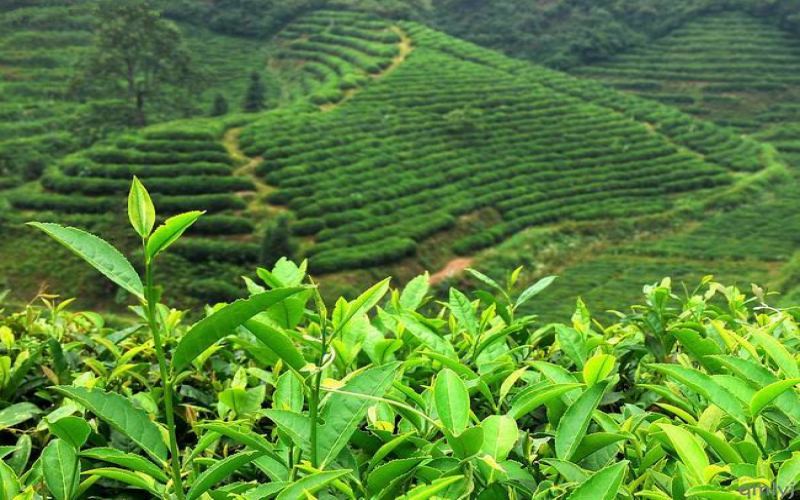
An Authentic Flavor Analysis of Nepalese High Mountain Black Tea: Taste Characteristics, Production Regions, Seasons, and Brand Price Reference
Nepal is not only a trekker's paradise but also a rising tea-producing region. Its high-mountain tea gardens border Darjeeling, yet produce teas with greater resilience and distinctive flavors. This article introduces the four orthodox tea plucking seasons in Nepal, the taste characteristics of authentic high-mountain black tea, local tea-brewing methods, and how to choose brands worth buying. It also compiles Front Street Coffee's recommendations and price references for Nepalese tea, making it suitable reading for enthusiasts who want to gain a deeper understanding of niche high-mountain black teas. [more…]

Unboxing and Hands-On Test of Ten Popular Coffee Machine and Grinder Building Block Sets: From Rocket R58 to EK43 Assembly Experience and Brand Review
Coffee enthusiasts' passion for peripheral products is never limited to beans and equipment. This time, we got our hands on ten popular coffee machine and grinder building block models available on the market all at once, covering five series: Late Autumn in Sicily, Midsummer Green, Roman Holiday, Twilight Venice, and Early Spring in Milan, and it took us a week to complete the assembly. From basic models to patience-testing ones, the number of pieces, color schemes, and fidelity to the original machines vary. The article will introduce one by one the real coffee equipment parameters corresponding to each building block set, including Rocket R58, EK43, Slayer Steam EP, Mythos One, La Marzocco GS3, Ultra, Victoria Arduino VA388, LWW EG-1, Kees Speedster, and Mazzer Super Jolly, while also sharing the actual performance of domestic building blocks in terms of fit and structural support. If you also like coffee peripherals, why not take a look at these interesting little items together. [more…]
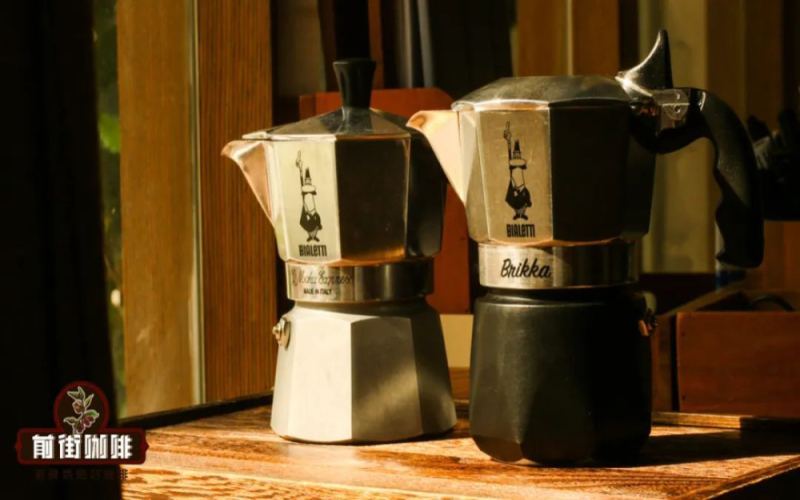
A Detailed Explanation of Moka Pot Extraction Principles: The Crema Difference Between Single-Valve and Double-Valve Models and Buying Advice
As the autumn and winter camping season arrives, the moka pot has once again become a popular choice among outdoor coffee enthusiasts. But faced with the two specifications available on the market—single-valve and double-valve—many consumers feel confused. From the perspective of Front Street, this article first explains the basic principle by which a moka pot uses steam pressure to complete extraction, then takes a deeper look at the structural differences between single-valve and double-valve models—the double-valve design restricts the outflow of coffee liquid by adding a pressure valve, thereby raising the internal pressure and delivering higher extraction efficiency and a richer coffee flavor. The article will also explore the relationship between coffee crema and roast level, and recommend Front Street's classic blend coffee to help readers make a wise purchasing decision based on their own needs. [more…]
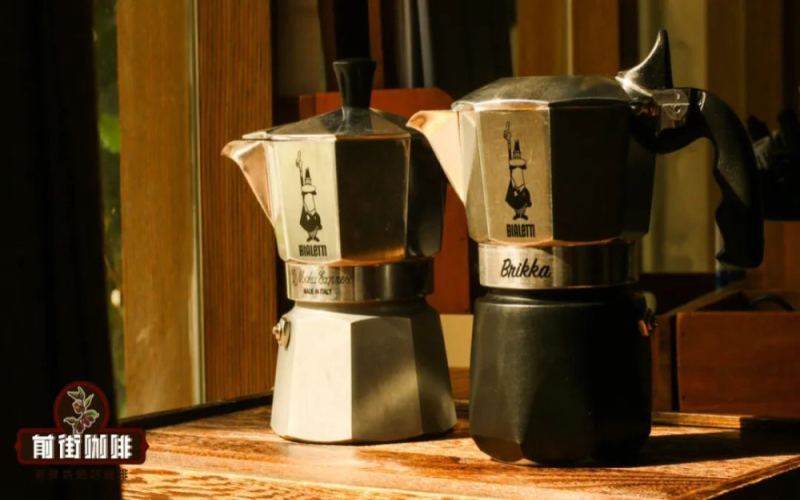
Moka Pot Buying Guide: Single-Valve vs. Double-Valve Differences, Choosing the Right Size for Home Use, and Compatibility with Espresso Blend Beans
As the autumn and winter camping season arrives, the moka pot has once again become a popular piece of gear among outdoor coffee enthusiasts. However, faced with the two options of single-valve and dual-valve models on the market, many consumers hesitate, unsure of the differences between them. From the perspective of Front Street Coffee, this article takes a deep dive into the extraction principles of the moka pot, compares the specific differences between single-valve and dual-valve models in terms of pressure, concentration, crema performance, and suitable scenarios, and answers the question of whether espresso blends can be used in a moka pot. At the same time, for home users, it offers practical advice on choosing the right moka pot size. Whether you're after a rich milk coffee or prefer a pure black coffee, this guide will help you make a wiser purchasing decision, so that every penny is well spent. [more…]
The Origin of the Mantenin Coffee Name and Its Producing Region's Planting History, Flavor Characteristics, and Front Street Golden Mantenin Brewing Recommendations
Mandheling is a perennial staple on café menus, but many people are puzzled when they first encounter it: with its herbal flavor notes and dark bean surface, does it taste like Chinese medicine? In fact, a high-quality Mandheling, with proper roasting and extraction, can present a solid, mellow sweetness and a lasting finish rather than a burnt bitterness. This article begins with the misunderstanding surrounding the name "Mandheling," then reviews the cultivation history of the Sumatra producing region and the origins of the wet-hulled processing method, and introduces the grading standards and brewing parameters of Front Street Coffee's PWN Golden Mandheling, helping coffee lovers truly understand this bean. [more…]

Luckin accelerates campus layout: targeted location-based franchising cracks the back-to-school season coffee battle
September marks the start of the school season, and the campus coffee market is ushering in a new round of competition. Luckin Coffee is accelerating its penetration into universities with a "targeted location franchise" model, having opened more than 1,282 campus stores and rolled out over a hundred targeted locations. Its 9.9-yuan low-price strategy, creation of a third space, and campus culture collaborations have made university students an important force in coffee consumption. At the same time, brands such as Front Street Coffee are also paying attention to this trend. This article reviews Luckin's campus expansion path, the details of its franchise model, and five notable characteristics of campus coffee shops, analyzing the new campus battlefield amid the coffee industry's fierce competition. [more…]
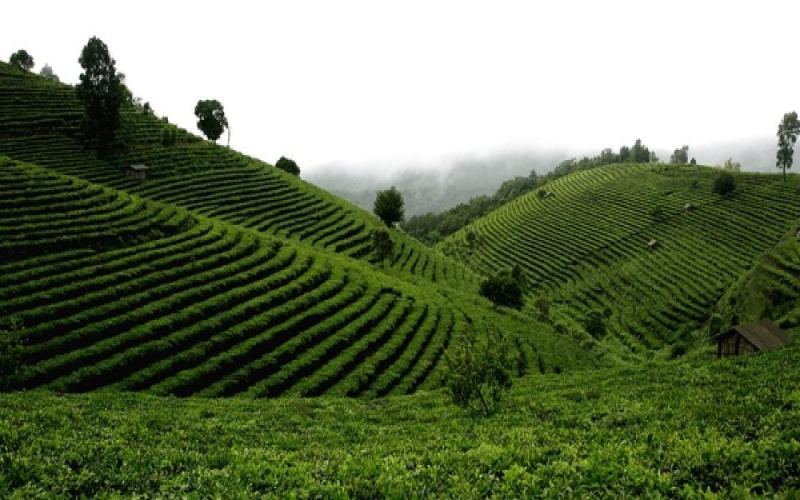
Why Is Darjeeling First Flush Black Tea Green? Also on the Regional Differences of Black Tea from Yunnan, Taiwan, and Fujian
Darjeeling's spring-picked tea is also a black tea, so why is it green? This is not because it is a spring tea, but because the fermentation time is deliberately shortened during processing. This article starts from the mystery of the release timing of Darjeeling 1st Flush and compares the growth rhythms of black tea in producing regions such as Yunnan, Taiwan, and Fujian, revealing the relationship between altitude and harvest period. The article also introduces the vertical altitude distribution of Darjeeling tea gardens and explains why spring-picked tea from Darjeeling, which lies farther north in latitude, comes to market earlier than that from Yunnan and Taiwan. Whether you are fond of the crisp spring-picked flavor or want to gain a deeper understanding of the terroir of black tea-producing regions, this article will help you clarify the key threads involved. [more…]
Yunnan Small-Bean Catimor Coffee: Flavor Characteristics and Origin Story—From Planting History to a Complete Specialty Brewing Guide
Yunnan, as China's core coffee-producing region, has a cultivation history dating back over a century and has now developed into a large-scale industry represented by Baoshan, Pu'er, Lincang, and other areas. This article systematically reviews the variety evolution and terroir of Yunnan coffee, focusing on the flavor profile, cupping characteristics, and brewing key points of small-bean Catimor coffee, while also presenting Front Street Coffee's cultivation and product practices in Lincang and Baoshan. Whether you are a beginner just encountering Yunnan beans or an enthusiast hoping to gain a deeper understanding of Catimor's varietal characteristics, you can gain a complete understanding from origin to cup, and use specific brewing parameters to reproduce the balanced, distinctly sweet, authentic taste of Yunnan small-bean coffee. [more…]
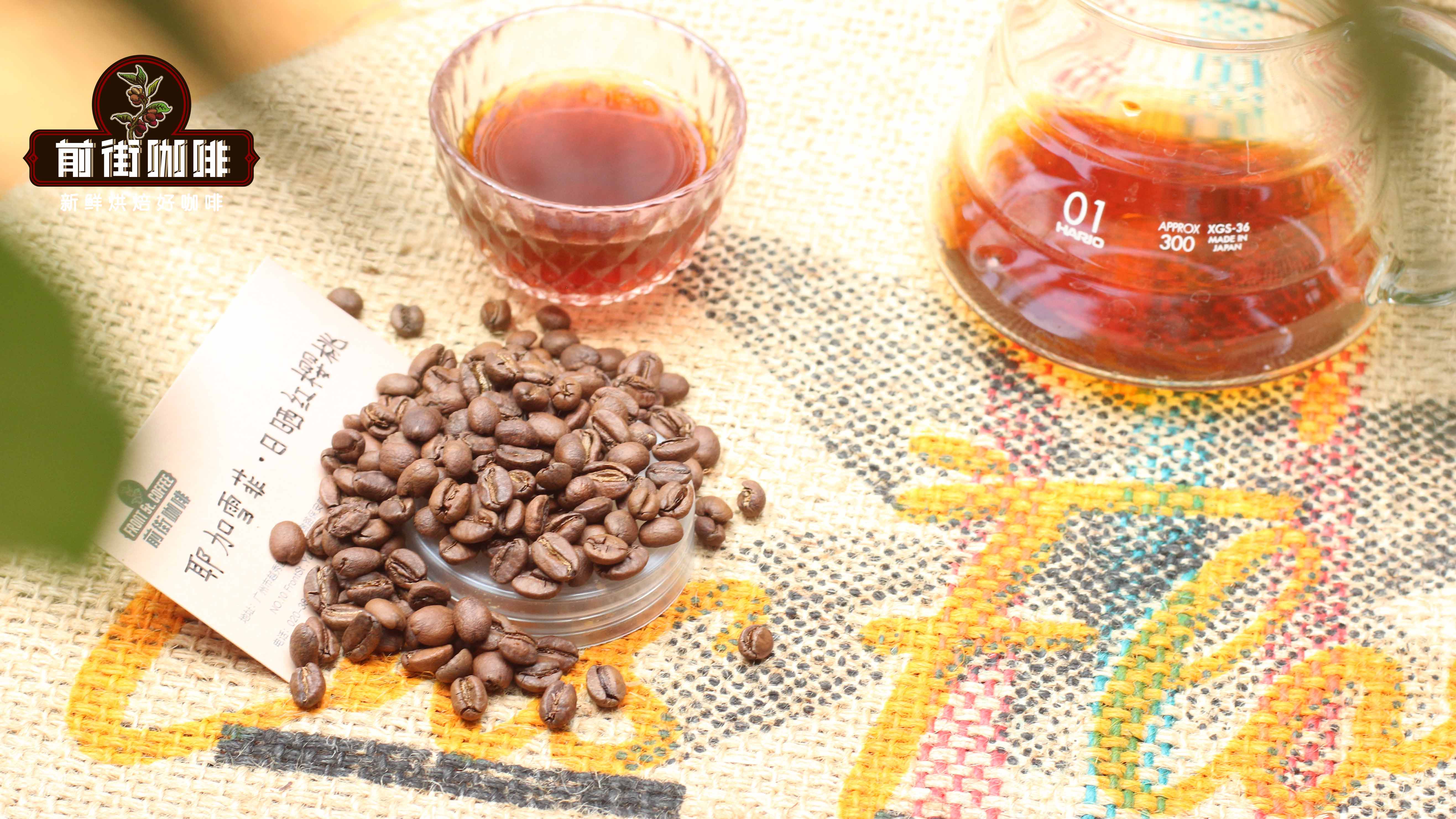
Front Street Yirgacheffe Natural Red Cherry Flavor Analysis: From Aricha Processing Station to Tropical Fruit and Floral Notes in the Cup
The Aricha processing plant in the Yirgacheffe region, with its superb natural (sun-dried) processing techniques, has made the Red Cherry lot a favorite among many coffee lovers. This article starts from the processing plant's background, the micro-region's terroir, and the sun-drying process, then breaks down in detail the dry aroma, wet aroma, and cup performance of Front Street Coffee's Yirgacheffe Natural Red Cherry, and extends to the floral notes, fruity charm, and sweet-tart layers of Front Street Coffee's Aricha G1. At the same time, we'll discuss how, under light roasting, dropping the beans at the peak of first crack versus the end of first crack affects flavor balance and acidity, giving you a complete understanding of what makes this bean so captivating. [more…]
A Complete Guide to Yunnan Coffee Origins: Terroir Characteristics and Brand Recommendations for Baoshan, Pu'er, Lincang, and Dehong
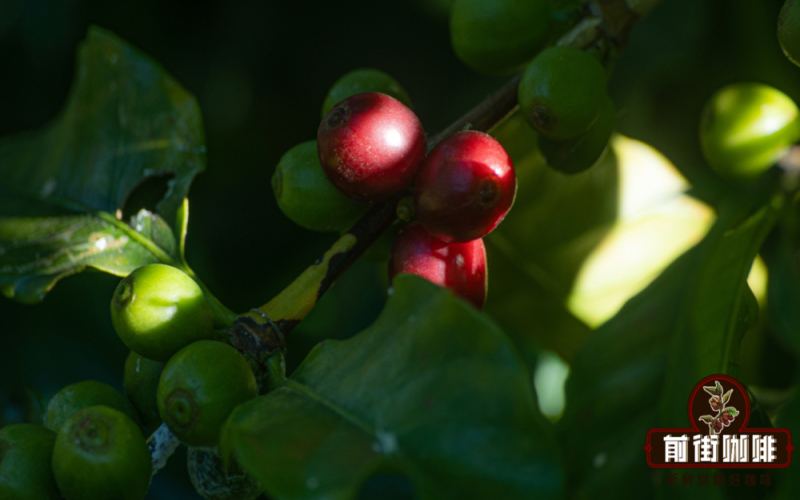
Yunnan is the core coffee-producing region in China, and its cultivation history can be traced back to 1904, when French missionaries planted the first coffee trees in Zhukula Village. Today, international brands such as Nestlé, Starbucks, and COSTA have all established a presence in Yunnan, and the specialty coffee market is also paying increasing attention to this mountainous area in southwest China. This article will take you into the four major producing regions of Lincang, Baoshan, Pu'er, and Dehong to learn about their respective terroirs and variety characteristics, and analyze the variety evolution of Yunnan arabica coffee, the washed processing method, as well as Front Street Coffee's brewing recommendations and flavor performance. Whether you are a coffee beginner or a seasoned enthusiast, you can gain a more comprehensive understanding of Yunnan coffee from this. [more…]
Yunnan Coffee Bean Origin Distribution and Flavor Characteristics: A Review of Small-Bean Coffee Brands in Lincang, Baoshan, Pu'er, and Dehong
Yunnan is China's most important coffee-producing region, with a cultivation history that can be traced back to 1904, when a French missionary planted the first coffee tree in Zhukula Village. After more than a century of development, Yunnan coffee has formed four core production areas: Lincang, Baoshan, Pu'er, and Dehong. Thanks to the tropical mountain terroir of high altitude and large temperature differences, it produces high-quality Arabica coffee. This article will systematically review the geographical conditions and cultivation characteristics of each production area, analyze the differences between Typica and Catimor varieties, and introduce in detail the key points of washed processing and brewing. Front Street Coffee has its own estate in Lincang, and its 2013 Typica and Baoshan Washed Daily Drinking Beans are excellent choices for experiencing the flavors of Yunnan coffee. [more…]
Yunnan Coffee Cultivation History and Processing Techniques: From Arabica to Specialty—Front Street Coffee's Typica Practice
Yunnan coffee has risen to fame in recent years. From the film "Coffee or Tea?" to the documentary "No Poverty Land," the wave of specialty coffee has brought this land's coffee beans into the spotlight. Yet Yunnan's history of coffee cultivation is far longer than one might imagine, traceable as far back as the saplings brought by missionaries in the late nineteenth century. It then went through large-scale planting in the 1950s to supply the Soviet Union, Nescafe's promotion of the Catimor variety in the 1980s, and finally a turn toward specialty coffee in the twenty-first century. Front Street Coffee has been personally involved in this journey as well, growing Typica from scratch in the Lincang producing region and exploring how variety, altitude, and processing methods work together. This article will walk you through the ins and outs of Yunnan coffee, and through Front Street's own practice show how small-bean coffee achieves a flavor that is fragrant without being harsh, and rich without being bitter. [more…]
Distribution and Overview of Coffee Production Areas in Yunnan: Analysis of the Four Major Producing Regions of Lincang, Baoshan, Pu'er, and Dehong, Along with Varieties and Processing
Yunnan is a significant part of China's coffee landscape that cannot be overlooked, with a cultivation history that can be traced back over a century to the first coffee seeds planted by French missionaries in Zhukula Village. Today, the four major producing regions of Lincang, Baoshan, Pu'er, and Dehong rely on high altitudes, large temperature differences, and abundant rainfall to form a unique terroir within the golden coffee-growing belt. From the ancient Typica to the disease-resistant and high-yielding Catimor, and from natural sun-drying to washed processing, Yunnan coffee's variety structure and processing methods are also constantly evolving. This article will systematically review the geographical conditions, development trajectories, and flavor characteristics of each producing region, and share Front Street Coffee's cultivation practices in Lincang as well as brewing recommendations for washed Yunnan small-batch beans. [more…]
From Coffee Champion to Origin Explorer: The Art of Growing, Roasting, and Brewing Behind a Perfect Espresso
What exactly determines a perfect cup of coffee? Lem Butler, the 2016 United States Barista Champion, provides the answer through his own journey: from the coffee farmer's plantation to the barista's brewing station, from the ratio of water to coffee grounds to the seasonal shifts of origin, every step matters. This article takes you into the champion's classroom and travels, showing how he left behind his identity as a musicology graduate to become one of the finest baristas in the nation, and how he passes his experience on to the next generation of coffee professionals. Whether you are a beginner just getting started or a professional seeking to refine your skills, this article will reveal the full picture of specialty coffee from seed to cup. [more…]

A Complete Guide to Latin American Coffee Regions: Flavor Profiles, Processing Methods, and Brewing Guides for Signature Beans
Among the world's three major coffee-producing regions, Latin America stands out for its balanced taste and rich, cocoa- and dark-chocolate-like flavors. This article systematically reviews the coffee-growing backgrounds, main producing areas, processing method characteristics, and flavor profiles of countries such as Brazil, Colombia, Panama, Costa Rica, Honduras, Jamaica, Guatemala, and Nicaragua, and combines them with Front Street Coffee's everyday beans series and brewing methods to help coffee lovers build an overall understanding of Latin American coffee, making it a valuable reference for both everyday purchasing and pour-over practice. [more…]